
HealthTech / Artificial Intelligence
Ali Parsa: The Iranian Visionary Who Dared to Reinvent Healthcare
After fleeing Iran as a teenager, Ali Parsa rebuilt his life in Britain and created Babylon Health, one of the UK’s most ambitious digital-health companies. Its spectacular rise and eventual collapse became a powerful lesson in ambition, execution and starting again.

Ali Parsa
founder and CEO, Q, powered by QuadriviaLondon, United Kingdom
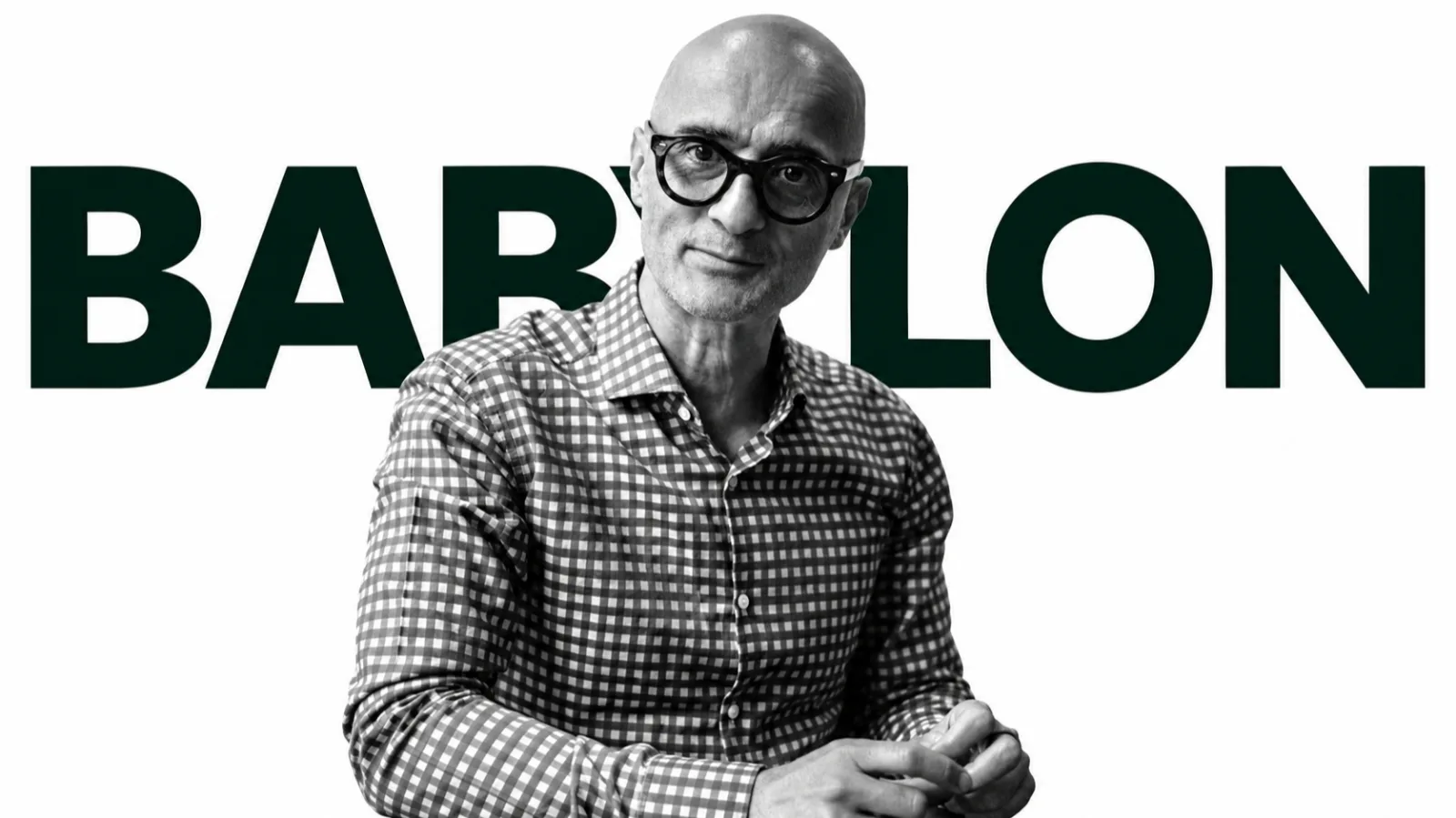
“What if you could do with healthcare what Google did with information?”
The Beginning
Ali Parsa grew up in Rasht and fled Iran at the age of 15, travelling through Afghanistan, Pakistan and Germany before eventually reaching Britain. Separated from his family and arriving with limited English, he had to rebuild his education and adapt to an entirely new country.
He studied civil engineering at University College London before earning a PhD in engineering physics. Parsa later entered investment banking, working at Credit Suisse, Merrill Lynch and Goldman Sachs before deciding that he wanted to build businesses with a greater social purpose.
The Idea
Parsa entered healthcare in 2004 when he co-founded Circle Health. His experience showed him that hospitals represented only one part of a patient’s healthcare journey and that many problems could be addressed earlier through better access to primary care.
As smartphones became increasingly common, he saw an opportunity to connect patients with medical professionals through technology. His ambition was to make healthcare more accessible by bringing consultations, health information and digital support directly to the devices people already carried.
The Biggest Challenge
Healthcare leaves very little room for error. Babylon needed to balance innovation and international growth with patient safety, clinical evidence, data protection and complex healthcare regulations.
As the company expanded, its costs increased and its ambitious claims attracted greater scrutiny. The challenge was not simply creating impressive technology—it was proving that the service could operate safely, reliably and sustainably across different healthcare systems.
Building in the UK
Britain gave Parsa the opportunity to rebuild his education, career and life after leaving Iran. London’s universities and financial sector helped him develop the academic, commercial and leadership experience that later supported his move into entrepreneurship.
The UK also placed him at the intersection of technology and the NHS, one of the world’s largest public healthcare systems. This environment became the foundation for Circle Health, Babylon and his later work with Q.
Advice to Other Founders
Ali Parsa’s journey demonstrates that bold ambition must be supported by disciplined execution. Solving a major problem can attract customers and investment, but sustainable growth requires strong governance, reliable evidence and a business model that can survive beyond its early success.
Founders should challenge established industries while remaining honest about the limitations of their products. They must listen to criticism, protect quality and ensure that growth never moves faster than the foundations supporting it. His return to entrepreneurship also shows that failure does not have to be the end of a founder’s story.